
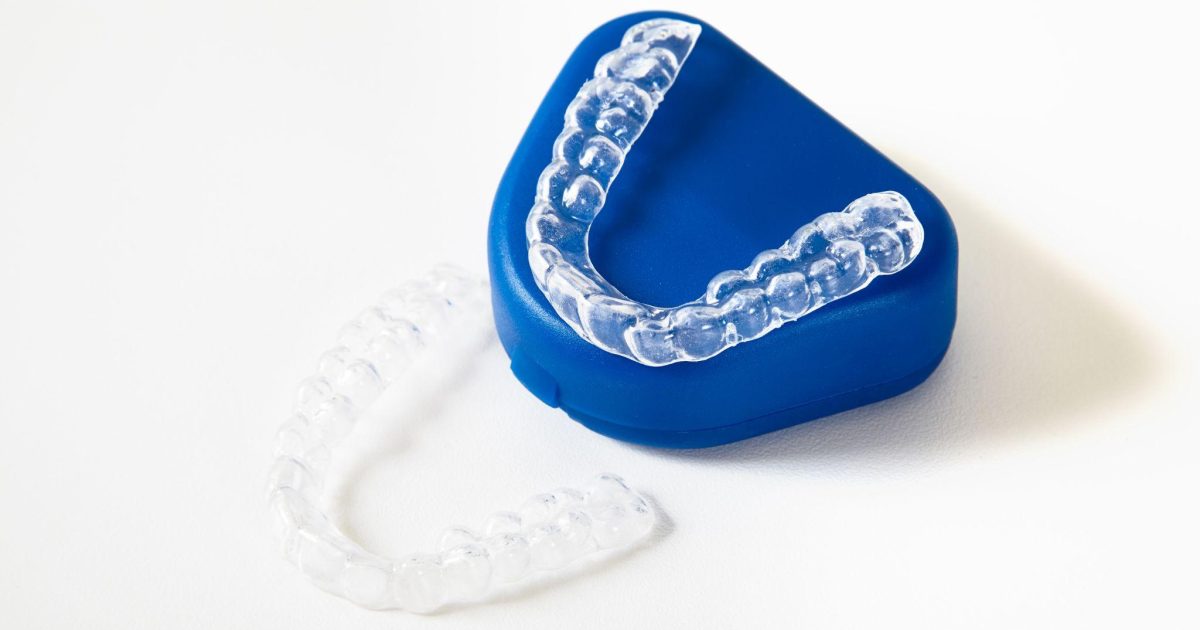
Invisalign braces have become a popular choice for people who want to straighten their teeth with clear, removable aligners. Unlike traditional metal braces, the aligners are discreet and can be taken out for eating, drinking anything other than water, and brushing.
However, one factor has a big effect on how well treatment progresses: wearing your aligners for 20 to 22 hours a day, as directed by your dentist or orthodontist.
The aligners need consistent contact with your teeth to apply the controlled pressure that moves them. Wear them for too few hours, and your teeth may not follow the planned treatment. Here’s what you need to know before and during your Invisalign journey with Lumiere Dental.
Why Do You Need to Wear Invisalign Braces for 22 Hours a Day?
Invisalign aligners are custom-made to guide your teeth gradually towards their planned positions. Each set is designed to make specific movements according to your personalised treatment plan, and those movements depend on steady, controlled pressure.
Invisalign’s own guide to its aligners states that they should be worn for 20 to 22 hours daily. Consistent wear:
- Supports planned tooth movement: Your teeth follow the movements mapped out in your treatment plan.
- Keeps treatment on schedule: Meeting your wear time reduces the risk of avoidable delays.
- Helps each aligner fit as intended: Your teeth adapt gradually to each new set.
Your dentist may give you specific instructions based on your case. Remember, Invisalign braces are removable, but they’re not designed to be worn only when convenient.
What Happens If You Don't Wear Invisalign Braces Long Enough?
It can be tempting to leave your aligners out during social events, long meals or busy days. Regularly falling short of your wear time, however, may affect your treatment in several ways.
Your Teeth May Not Move as Planned
The aligners apply controlled forces to guide your teeth. With inconsistent wear, your teeth may not complete the planned movements within the expected timeframe.
Your Aligners May Not Fit Properly
If your teeth haven’t moved enough, the next set may feel unusually tight or not sit fully against your teeth. This is known as a tracking problem. Never force an aligner into place; contact your dentist instead.
Your Treatment May Take Longer
Your dentist may need to reassess your progress, extend the wear period for a set, or recommend adjustments.
You May Need Additional Aligners
Sometimes extra aligners, often called refinement aligners, are needed for movements that haven’t progressed as expected. These aren’t always caused by poor wear, but inconsistent wear can contribute.
Missing your target occasionally doesn’t mean your treatment has failed. What matters is your overall wear pattern. If you regularly struggle, speak to your dentist rather than changing aligners early to catch up.
How to Fit 22 Hours of Wear into Your Daily Routine
Wearing Invisalign braces for 22 hours a day may seem challenging at first, but a simple routine makes it manageable:
- Plan your meals and snacks: Remove your aligners to eat. Frequent snacking adds up to more time without them, so limiting unnecessary snacks helps you meet your target.
- Put your aligners back in straight after cleaning: After eating, brush your teeth and clean your aligners as instructed, then put them straight back in.
- Drink plain water while wearing them: Remove your aligners for coffee, tea, juice and soft drinks. Hot drinks can distort the plastic, and sugary or acidic drinks trapped under aligners may raise the risk of decay.
- Use phone reminders: Set an alert after meals, or use an app or checklist to track your wear time.
- Keep your case with you: Store your aligners in their case whenever they’re out to avoid losing or damaging them.
- Wear them overnight: Clean your teeth and aligners before bed, then sleep with them in. This covers a large share of your daily wear time.
- Plan ahead for special occasions: If you remove your aligners for a wedding or party, keep the time short and put them back in as soon as practical.
With consistent habits, wearing your aligners for the recommended hours soon becomes second nature.
How Do You Know If Your Invisalign Treatment Is on Track?
Consistent wear is only one part of successful treatment. Your dentist also needs to monitor how your teeth respond to each set. Signs that treatment is progressing well include:
- Your aligners fit closely: They sit against your teeth without persistent gaps or lifting.
- You follow your schedule: You change to the next set only when your dentist says so.
- Your teeth show gradual changes: Progress may be subtle, but alignment improves over time.
- You attend scheduled reviews: Your dentist assesses progress and makes adjustments when needed.
Some pressure or mild discomfort with a new set is normal. Persistent pain, damaged aligners or aligners that no longer fit should be checked by your dentist.
Frequently Asked Questions (FAQs)
1. Do I really need to wear Invisalign for 22 hours a day?
Invisalign is generally prescribed for 20 to 22 hours a day, depending on your treatment plan. Always follow the specific instructions your dentist or orthodontist gives you.
2. What happens if I only wear Invisalign for 18 hours a day?
Regularly wearing your aligners for only 18 hours may reduce the consistency of the forces on your teeth. This can cause tracking problems and extend treatment. If you’re struggling, ask your dentist for advice.
3. Can I take my Invisalign out for two hours?
Two hours out may fit within your day if the rest of your wear time is consistent. Just make sure your total time without aligners stays within the limit your dentist has set.
4. Should I wear Invisalign while sleeping?
Yes. Aligners are worn overnight, which helps you meet your daily target and keeps consistent contact with your teeth.
5. What should I do if I forget to wear my Invisalign for several hours?
Put your aligners back in as soon as possible, provided they still fit. Don’t double up on wear time, skip ahead to the next set or force an aligner that no longer fits. If you’ve missed a lot of wear time or notice fitting problems, contact your dentist.
Conclusion
Wearing Invisalign braces for around 22 hours a day keeps your teeth moving according to your treatment plan. It supports planned tooth movement, reduces the risk of tracking problems and helps prevent avoidable delays.
The freedom to remove your aligners works best when you manage your wear time carefully. With good daily habits, clear instructions from your dentist and regular reviews, your treatment becomes more predictable.
Thinking about straightening your teeth? Find out more about Invisalign treatment at Lumiere Dental, or book a consultation to see whether Invisalign suits your smile.