

Taking care of your oral health involves more than daily brushing and flossing routines. Sometimes subtle signs indicate it is time to book an appointment with a dentist near me. Recognising these warning signals early can prevent serious complications, preserve your smile, and maintain overall wellbeing. This comprehensive guide explores four critical signs that should prompt you to schedule a dental consultation without delay.
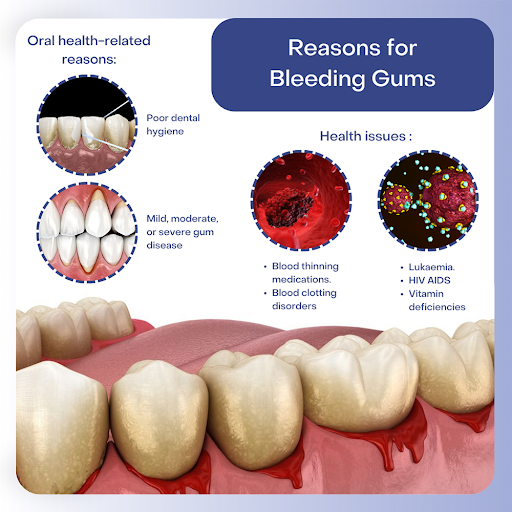
Bleeding gums during brushing or flossing might seem harmless, but this is one of the clearest signs that you need to visit a dentist near me. Swollen or red gums often indicate early-stage gum disease, medically known as gingivitis. According to the American Dental Association, untreated gum disease may progress to periodontitis, potentially leading to tooth loss or affecting your cardiovascular health.
Healthy gums should appear pink and firm, not red or puffy. If you notice blood after brushing, this signals inflammation requiring professional attention. Booking a check-up at a reliable dental clinic near me such as Lumiere Dental Clinic ensures early detection and treatment, preventing more severe complications.
Prevention Tip: Use a soft-bristled toothbrush, floss gently once daily, and schedule professional cleanings every six months with your dentist.

Tooth sensitivity to hot, cold, or sweet foods is another key sign you need to visit a dentist near me. This discomfort typically results from worn enamel, developing cavities, or exposed tooth roots. Even if sensitivity occurs occasionally, it warrants professional evaluation to identify underlying causes.
Ignoring mild pain can allow conditions to worsen, potentially leading to infection, nerve damage, or requiring extensive procedures like root canals. The Mayo Clinic explains that tooth sensitivity often indicates compromised tooth structure requiring prompt intervention. Even if discomfort comes and goes, schedule a dental check-up to prevent further complications.
Action Tip: Keep a detailed note of when sensitivity occurs, which teeth are affected, and triggering factors. Share this information during your appointment for accurate diagnosis and targeted treatment.
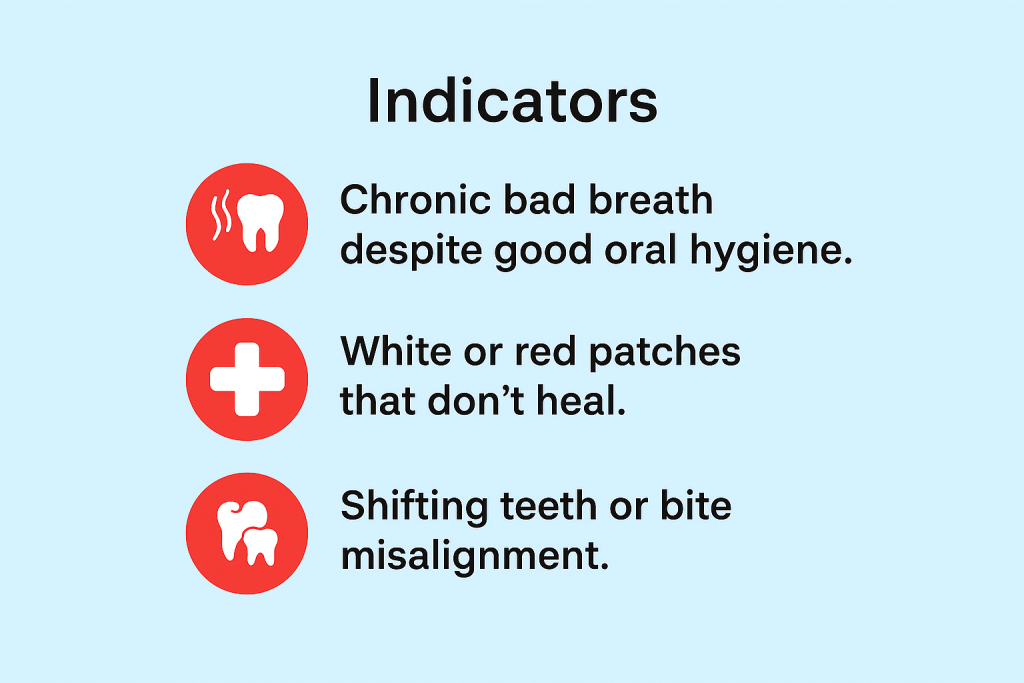
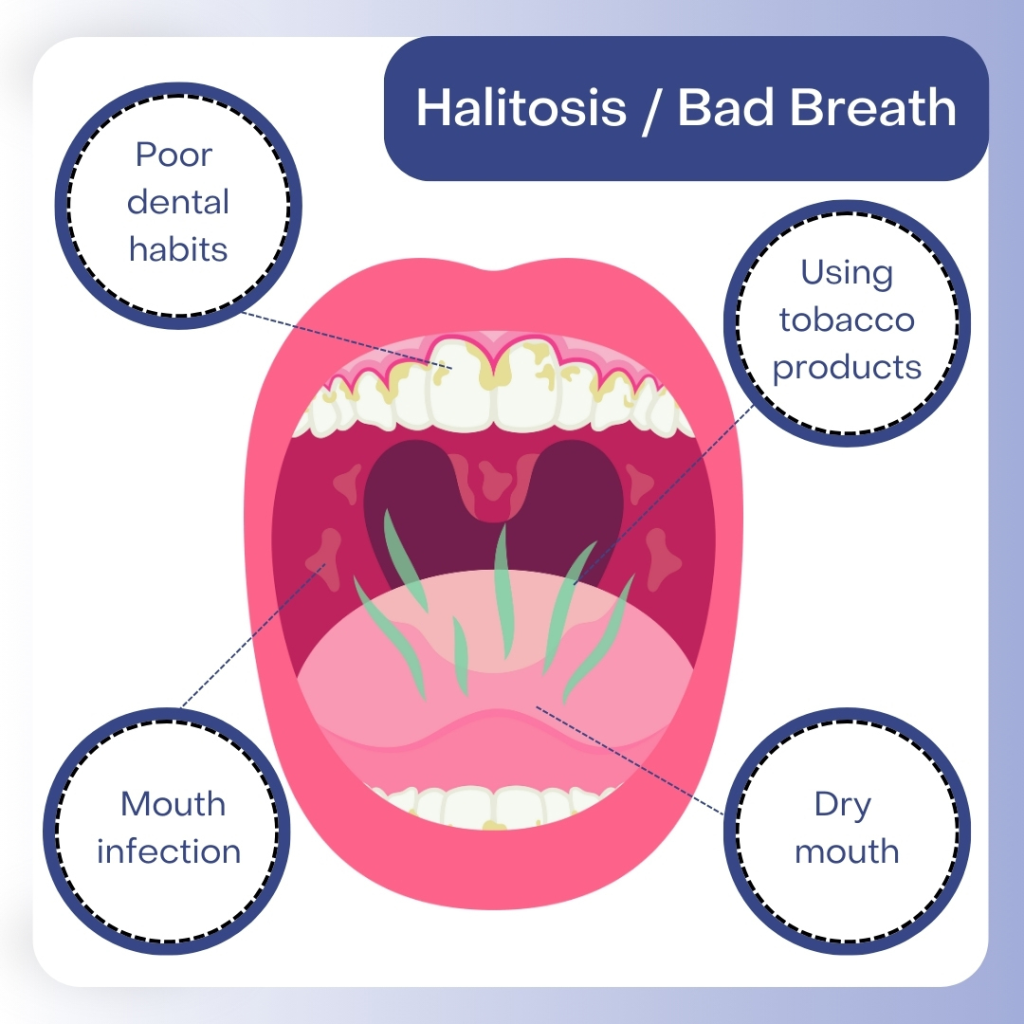
Persistent bad breath, recurring mouth sores, or changes in how your teeth align are not normal occurrences. These symptoms are clear signs you need to visit a dentist near me immediately for professional assessment. Chronic halitosis despite good oral hygiene may indicate underlying gum disease, tooth decay, or systemic health issues.
According to the American Dental Association, such symptoms can point to gum disease, bacterial infections, or even early signs of oral cancer. White or red patches that do not heal within two weeks require immediate evaluation, as early detection significantly improves treatment outcomes.
For professional assessment and comprehensive examination, consider booking a visit with Lumiere Dental Clinic for thorough check-ups, diagnostic imaging, and personalised treatment plans addressing your specific concerns.
Experiencing jaw discomfort, loose teeth, or difficulty chewing represents serious warning signs requiring immediate attention from a dentist near me. These symptoms could indicate advanced gum disease, temporomandibular joint (TMJ) disorder, bruxism (teeth grinding), or other structural issues affecting oral function.
Do not dismiss these symptoms, even if pain is mild or intermittent. Early dental intervention can prevent permanent damage, restore proper bite function, and address underlying causes effectively. Loose teeth may signal advanced periodontitis, where bone loss compromises tooth stability. Jaw pain might indicate TMJ disorders requiring specialised treatment approaches.
Urgent Action: If your jaw clicks or pops when opening or chewing, visit your dentist near me promptly for comprehensive evaluation. Lumiere Dental Clinic offers advanced diagnostic services to identify and treat complex jaw and bite issues.
Understanding these four warning signs empowers you to take proactive steps toward maintaining optimal oral health. Regular preventive care combined with prompt attention to concerning symptoms ensures long-term dental wellness and prevents costly interventions.
Even without obvious symptoms, maintaining routine dental visits every six months allows early detection of developing issues. Professional cleanings remove calculus buildup that home care cannot address, while comprehensive examinations identify problems before they cause discomfort or damage.
It is best to visit your dentist near me every six months for professional cleaning and early detection of potential issues. Regular check-ups help prevent tooth decay, gum disease, and identify problems before they require extensive treatment. Some individuals with higher risk factors may need more frequent visits as recommended by their dental professional.
Yes, absolutely. Bleeding gums represent an early sign of gum disease, which can progress to periodontitis if left untreated. Advanced gum disease leads to tooth loss and has been linked to systemic health conditions including cardiovascular disease, diabetes complications, and respiratory infections. Seeking prompt treatment prevents progression and protects both oral and overall health.
Persistent bad breath, or chronic halitosis, continues despite good brushing habits, regular flossing, and mouthwash use. If unpleasant breath odour persists throughout the day or returns shortly after oral hygiene routines, it may indicate gum disease, tooth decay, tongue bacteria buildup, or other oral health issues requiring professional evaluation and treatment.
Yes, definitely. Sensitivity to specific foods, particularly sweets, hot, or cold items, often indicates enamel damage, developing cavities, or exposed tooth roots. These conditions worsen over time without treatment, potentially requiring more extensive procedures. Early intervention allows conservative treatment approaches and prevents progression to painful infections or tooth loss.
Yes, occasional jaw pain warrants professional evaluation even if symptoms are intermittent. Jaw discomfort may indicate TMJ disorders, teeth grinding (bruxism), misaligned bite, or developing dental infections. Your dentist can identify underlying causes through examination and recommend appropriate treatment, which may include bite adjustments, night guards, or addressing dental issues contributing to jaw stress.
Your mouth provides early warning signals when something requires attention. The four critical signs discussed, bleeding gums, tooth sensitivity, mouth changes, and jaw discomfort, serve as strong indicators that you need to visit a dentist near me promptly for professional care.
Delaying dental care often results in costlier, more invasive treatments and unnecessary discomfort. Regular visits to a reputable dental clinic near me, such as Lumiere Dental Clinic, help you maintain a healthy smile, preserve natural teeth, and enjoy peace of mind knowing your oral health is professionally monitored.
Do not wait for dental problems to become emergencies. If you experience any of these warning signs, schedule an appointment with a qualified dentist near me today to protect your smile and overall wellbeing for years to come.
Copyright @ 2024 Lumiere Dental. Project by MYSense Marketing